Retail and office buildings
Storefront damage, cracks at openings, sign and fixture holes left after a tenant moves out, and sun faded elevations. We plan the work around business hours and customer access as far as the job allows.
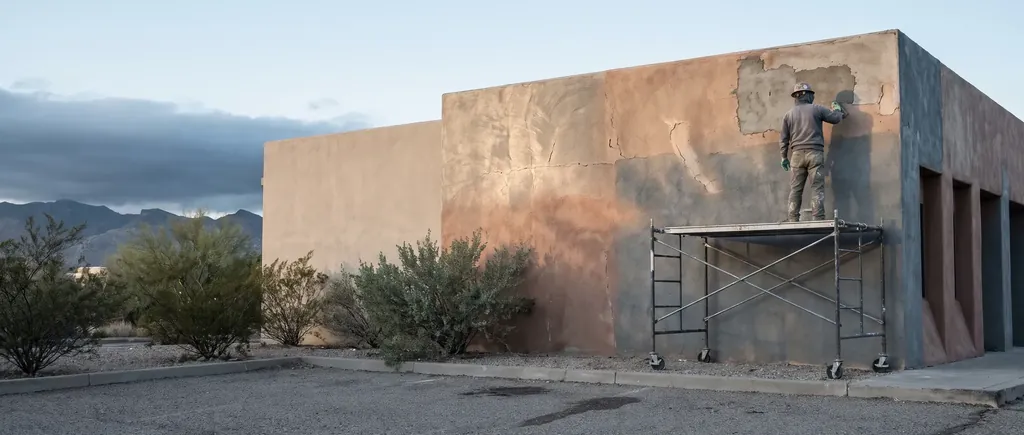
A stack of open repair items, a board that wants one number, and tenants who need to get to the door. We repair and recoat stucco on retail, office, multifamily and HOA properties, scheduled around the people using them, with one written scope.
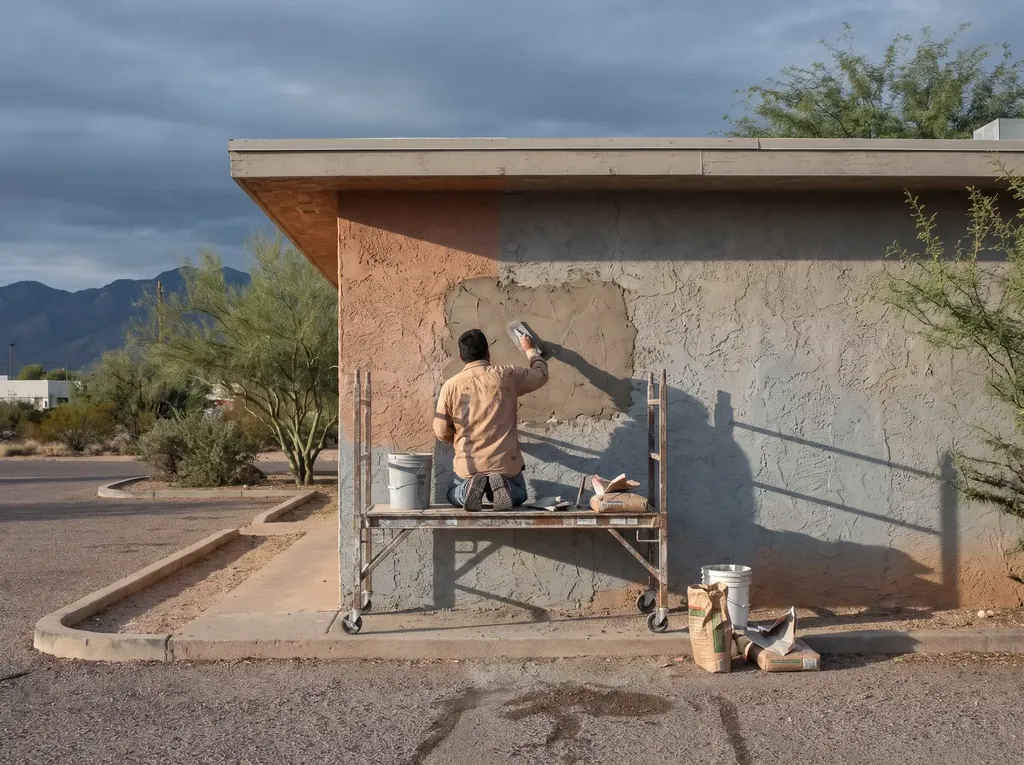
Most commercial stucco jobs start with a list. A property manager has a set of cracked stairwell walls, stains under parapets on two buildings and a damaged corner by the loading area. An HOA board has a run of perimeter walls and a reserve budget to protect. A retail owner has a storefront that looks tired right where customers walk in. What all of them want is to know what is urgent, what can wait and what it will take, in a form they can take to an owner or a board.
That suits us well, because diagnosis is where we start anyway. The same forces apply here as on a house, at a larger scale. Long walls need working control joints, and when those fail, cracks run a long way. Parapets on flat commercial roofs take the same monsoon water as residential ones, and a leak can show up in a tenant's space well away from where it started. Irrigation along planters and parking edges keeps the base of walls damp, and UV works on sun facing elevations until they chalk and fade unevenly.
Some of these buildings are not cement stucco at all. Plenty of retail and office buildings are finished with synthetic foam and acrylic systems that look like stucco but need completely different repairs. Knowing which you have comes first, because a cement patch on a synthetic wall will show and is likely to fail.
Storefront damage, cracks at openings, sign and fixture holes left after a tenant moves out, and sun faded elevations. We plan the work around business hours and customer access as far as the job allows.
Stairwells, balconies, breezeways and long exterior walls on apartments and condominiums. We work in phases so residents can still get in and out, with notice for the affected units arranged through you.
Perimeter and garden walls, entry monuments, clubhouses and shared buildings. We help boards separate urgent repair from cosmetic work, with color and finish consistent with what the community already has.
We determine whether each wall is cement stucco, synthetic stucco or a coated masonry wall, and we note what was done before. This affects materials, methods and what the repair will look like.
We note cracks, hollow areas, stains, failed sealant, damage and fading, by building and by elevation, so it is clear what we saw and where it was rather than a vague overall impression.
We review parapets, scuppers, sealant joints, roof to wall transitions and irrigation. Where something belongs to your roofer or another trade, we flag it so that it can be coordinated.
You get one written scope with what we recommend now and what can wait, in a form you can share with an owner or a board. Where a recoat makes sense, we will put it alongside the repairs instead of assuming it.
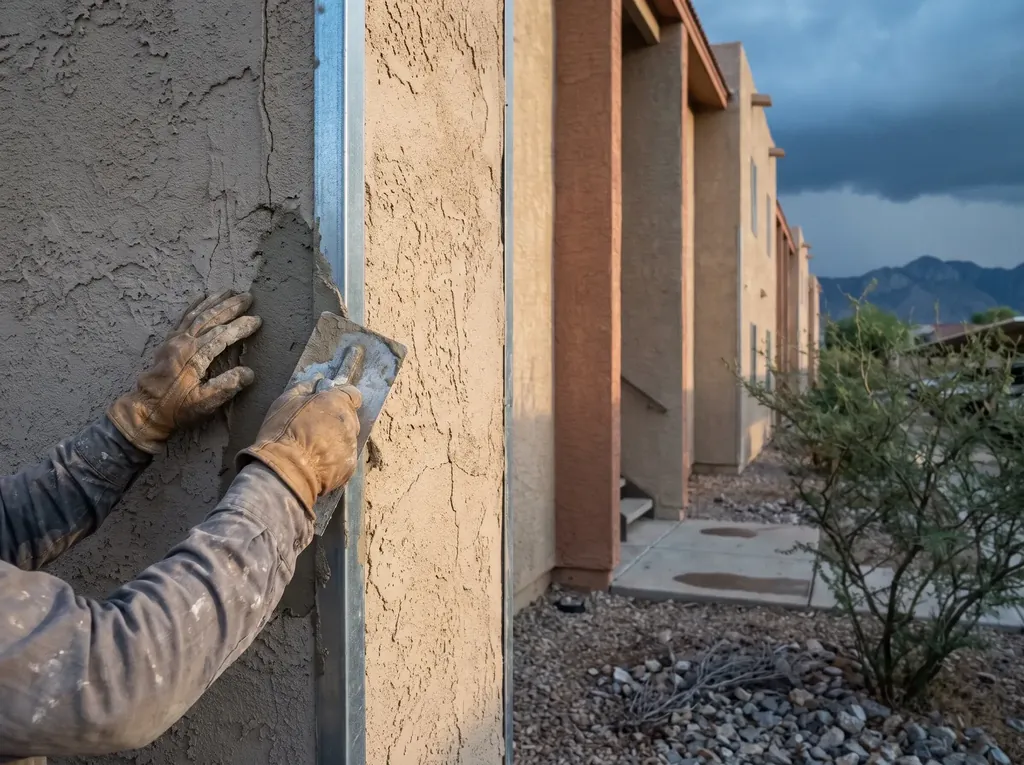
We start with your list and your priorities, then look at the walls and at the items that did not make the list. It helps to have your maintenance history, if you keep one.
Repairs are grouped and put in order of priority, with options where a real choice exists. One written document means nobody is comparing notes from three conversations.
We work out scaffold or lift access, walkways, parking, deliveries and quiet hours with you, and any permit question for the scope and jurisdiction. Tenant or resident notices go out on your schedule.
We cut back to sound material, replace damaged lath and paper, repair or restore control joints, and correct the water path. Synthetic systems get compatible materials rather than cement.
Texture gets matched to the wall. Color gets brought together to a natural break, such as a corner or joint, so the building does not end up with visible blocks of newer work.
We walk the completed work with you and supply a record of what was done and where, including photos. That should be useful for your files, your owner or your next board meeting.
You need a clear answer you can defend to somebody else. We write scopes that way, so it is clear what is failing, why it needs attention, and what can sensibly wait. If a crack is only cosmetic, it is labeled cosmetic, which helps protect your budget for the work that is not.
We also understand that the wall is not the only thing being managed. Your tenants still need the entrance, your residents still need the stairwell, and your board still meets on its own calendar. Planning around those facts is part of the job, and it is why the sequence and access get written down before anyone sets up scaffold.
Finally, we try to reduce the number of contractors involved in figuring out a stucco problem. Where the cause sits with a roofer or a plumber, we will flag it clearly so you can bring them in. Where it is stucco, you have one written scope and one conversation.
Send us the property address, what is on your list, and any deadline we should know about. We will set up a walk.
Knock on it. Cement stucco feels hard and solid, like concrete. EIFS, a foam board system with an acrylic finish, sounds hollow and gives slightly when pressed. EIFS also tends to have crisper, thicker trim details, and you can often see foam at a cut or damaged spot.
Yes. It is still widely used, particularly on commercial buildings, and current systems commonly include drainage behind the foam. It offers insulation and shape options that cement stucco cannot. As with any wall, performance depends on installation and upkeep, especially at sealant joints.
Yes, but it is a real project rather than a simple change of finish. The EIFS generally has to come off, and the wall needs a proper weather barrier, lath and new details at openings and edges. On many buildings, repairing the existing system makes more sense. It depends on how much of it has failed and why.
Older barrier style systems became known for trapping moisture behind the foam when sealant joints failed, and that history can still come up. How it affects a specific property depends on the insurer, the building and the policy, so ask your broker or carrier directly rather than relying on a general answer.
Well built cement stucco can last for many decades, while coatings and sealant joints need attention far sooner. On a commercial building, the real question tends to be how well the top edges, joints and water paths are maintained, since those usually decide how long the wall lasts.
Usually, yes. Targeted repair is normally far less disruptive and costly than replacing a wall, and fixing water entry early protects what is behind the surface. It stops being worth it when large areas have lost their bond or the same walls keep failing. That is the point at which we would put a larger option on the table.
It depends on the size and number of repairs, how high they are, the access equipment needed, working hours around tenants, whether the wall is stucco or a synthetic system, and how far the color blend has to run. Grouping repairs into one scope and one mobilization often costs less than calling for them one at a time. We give you written numbers after we have walked the property.
We repair stucco on commercial, multifamily and HOA properties across Tucson, Oro Valley, Catalina Foothills, Marana, Sahuarita, Casas Adobes, Vail and Green Valley.
Areas we serve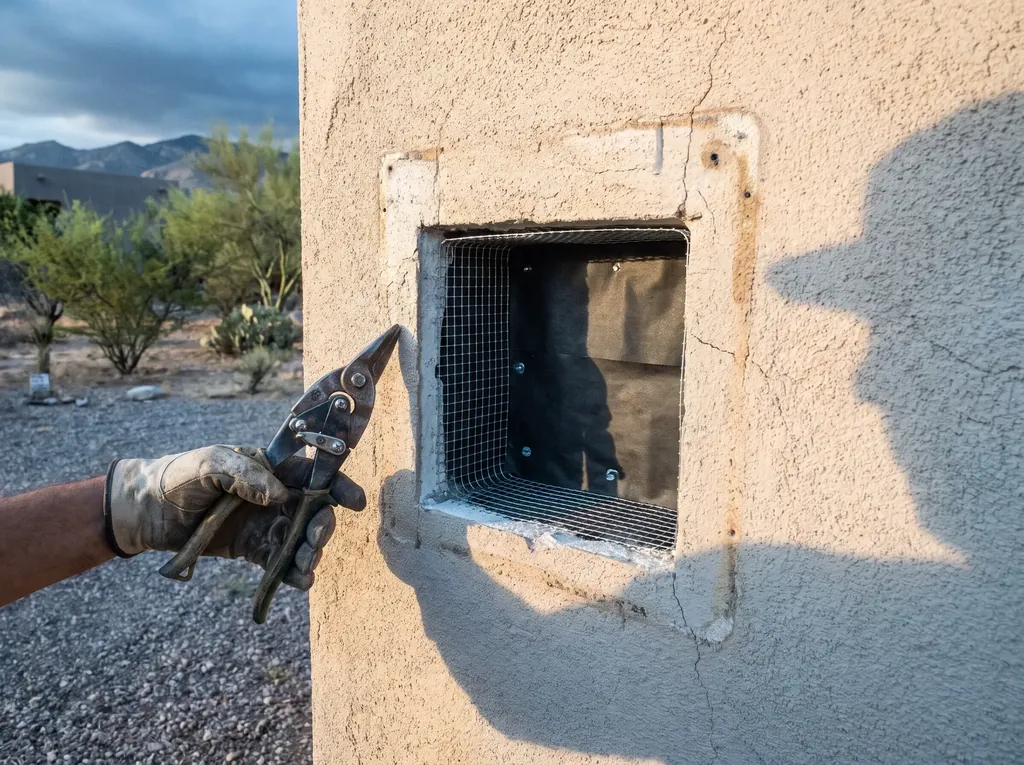
Holes, impact damage, removed fixtures and failed old patches rebuilt in layers, then textured to blend with the wall around them.
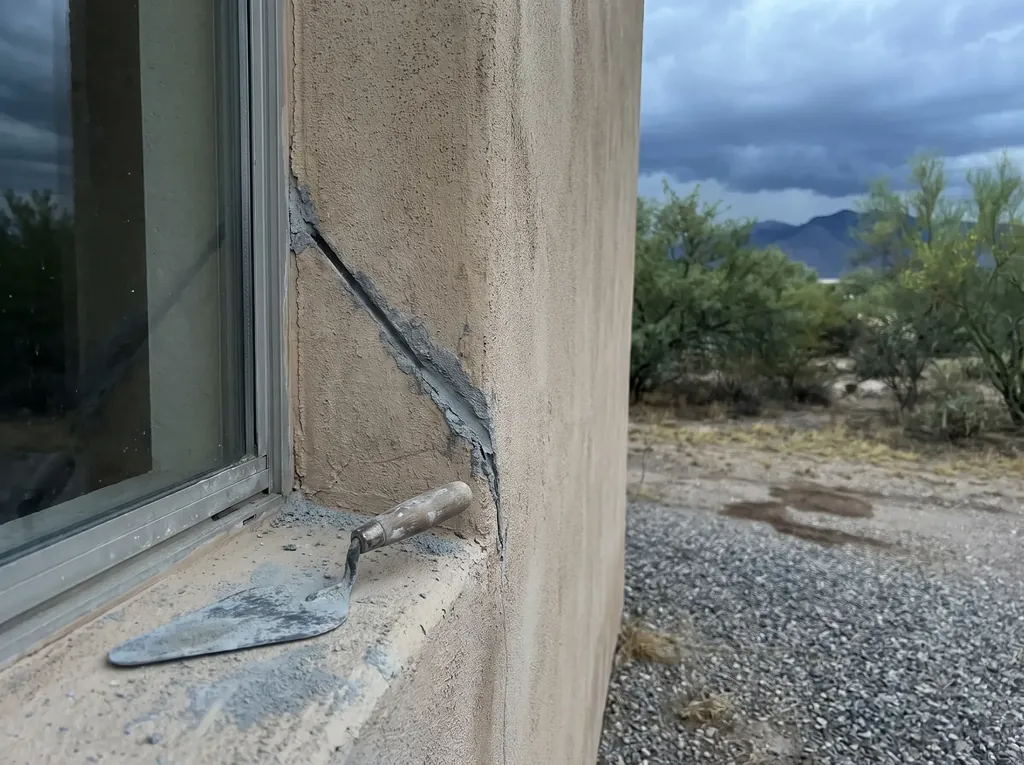
Hairline, window corner and settlement cracks diagnosed first, then routed, filled or rebuilt according to what is actually causing them.
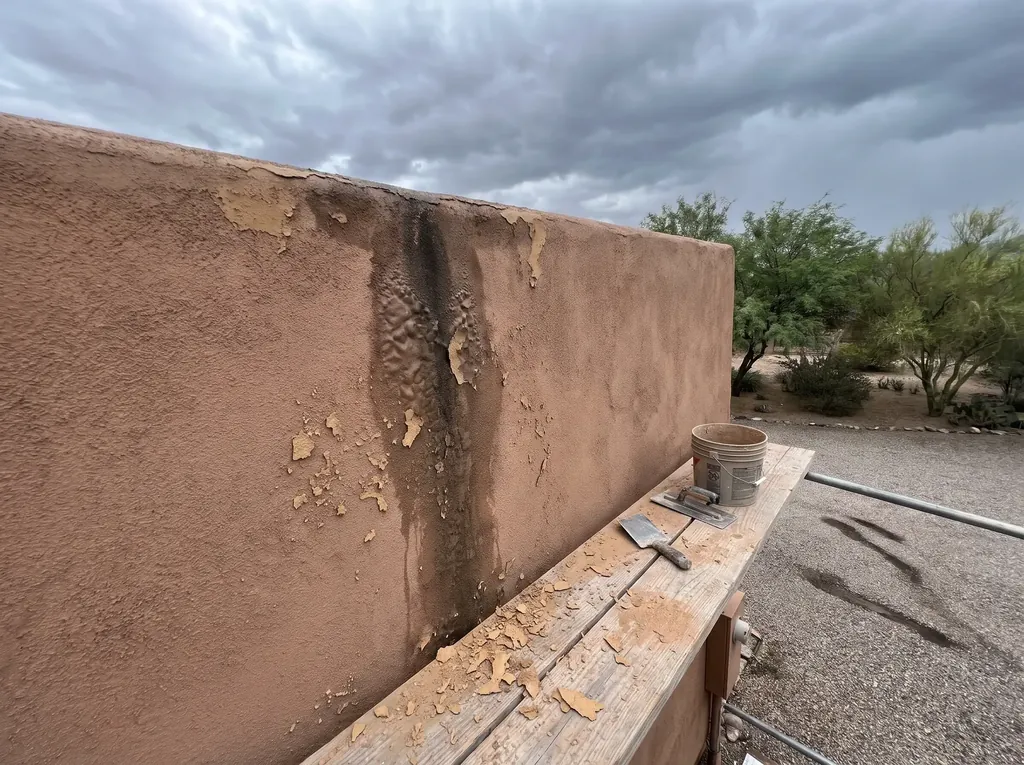
Stains, bubbling and crumbling stucco traced to the source, with parapet caps and roof transitions corrected before the wall is rebuilt.
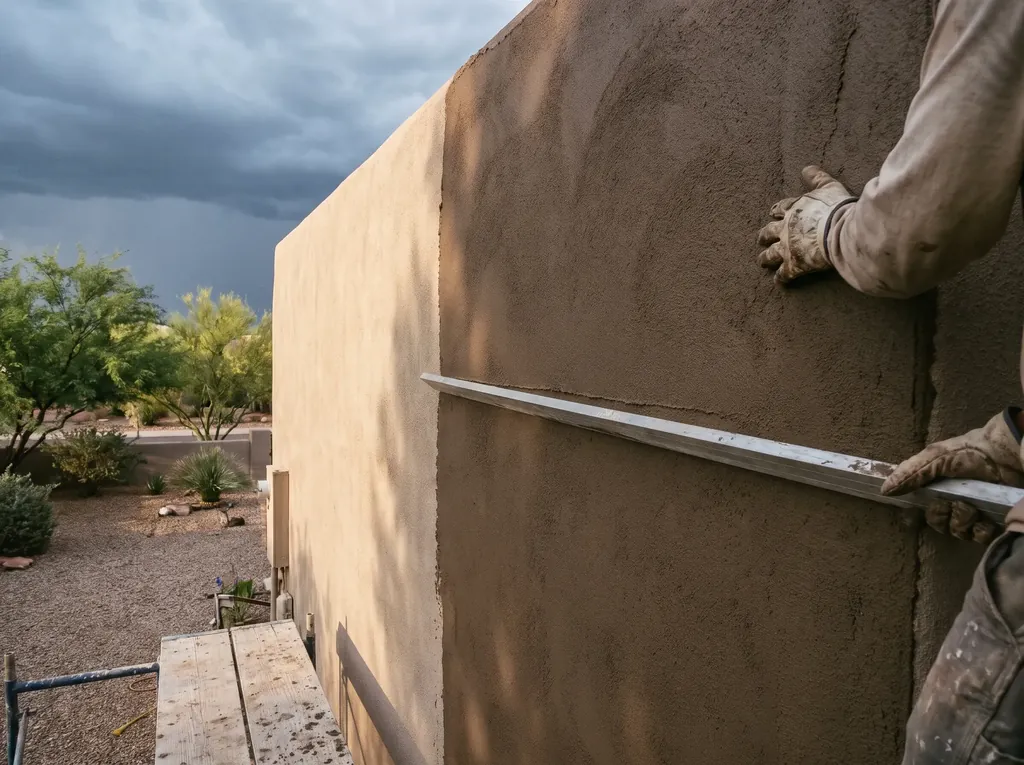
When patches stop making sense, failed stucco is removed or resurfaced and the whole elevation gets a new, even finish.
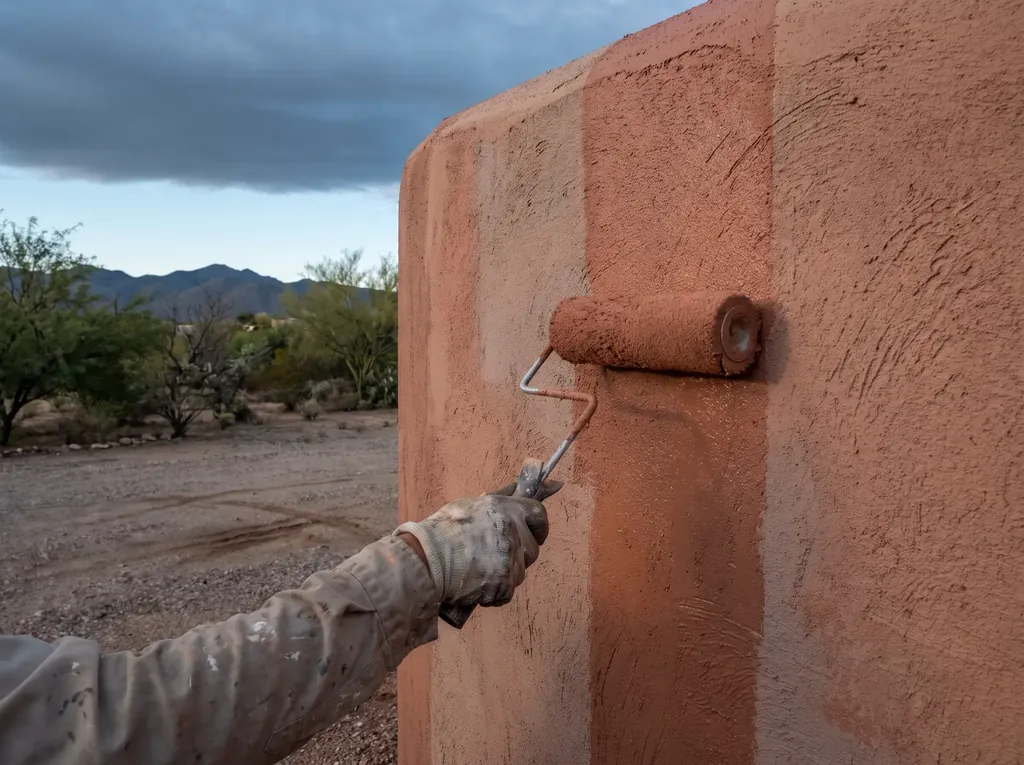
Prep, crack treatment and coatings that suit Tucson sun, including elastomeric systems when the wall and the budget call for them.
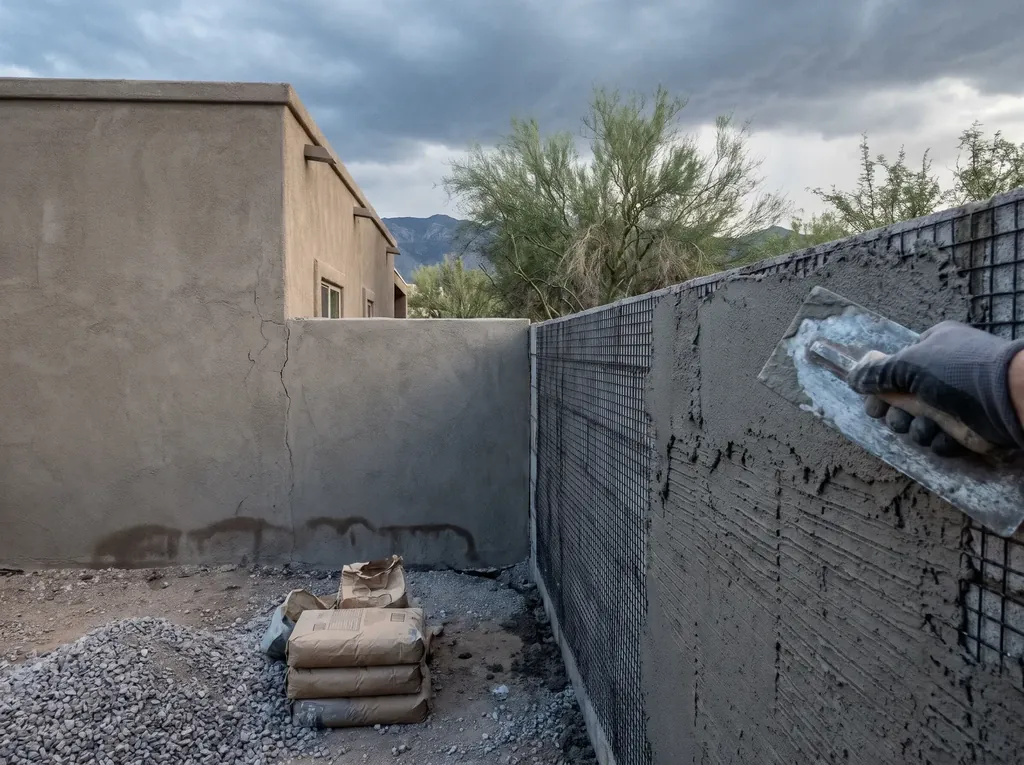
Three coat and one coat systems for additions, garden walls and exterior upgrades, tied properly into existing surfaces.
Tell us about the property, the walls you are concerned about and any timing we should work around. We will call you back to arrange a time.
We will call you back to arrange a look at the wall. If you would rather talk now, call(520) 555-0171.
Nothing was sent. Please call (520) 555-0171 and we will arrange a look at the wall.